Biometric Systems Enhancing Security Protocols for Mobile Gambling Applications
Written by Paul Schmitt · Sep 17, 2026
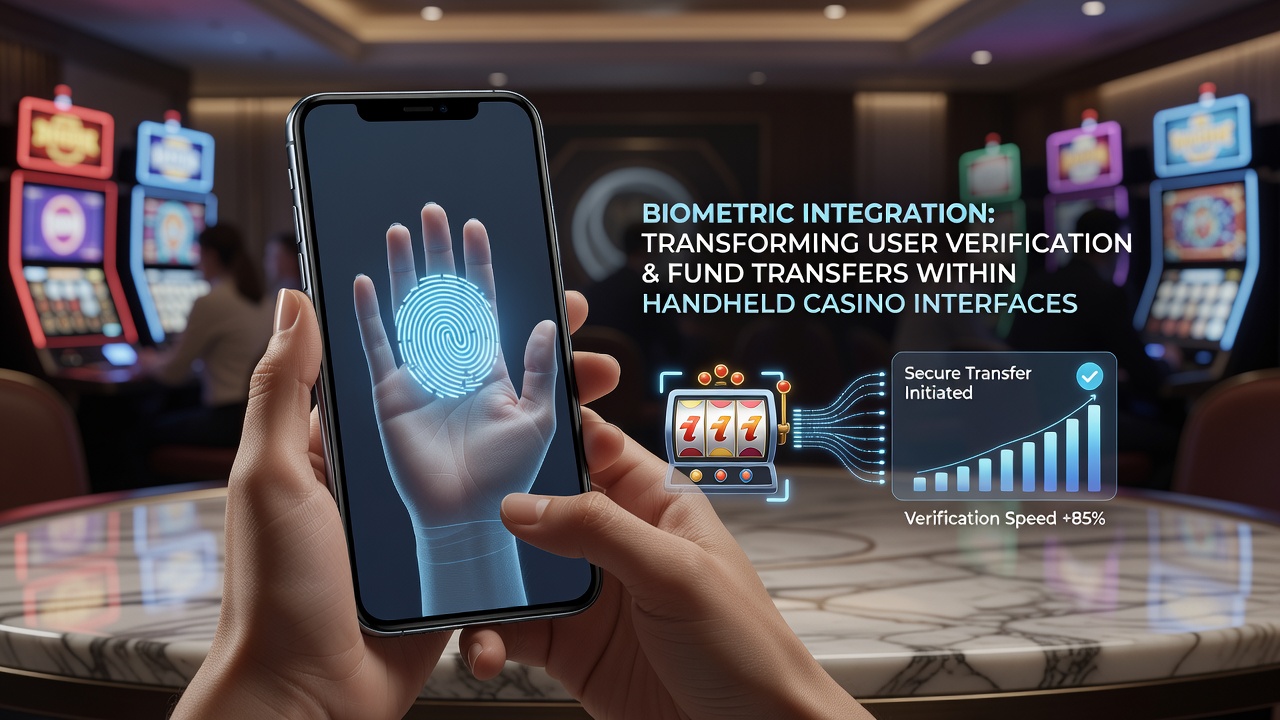
Biometric Systems Enhancing Security Protocols for Mobile Gambling Applications
Biometric integration has shifted how operators handle identity confirmation and payment authorizations inside handheld casino platforms since developers first embedded fingerprint readers and facial mapping tools into consumer devices years ago, and by September 2026 regulatory filings across multiple jurisdictions showed expanded adoption rates among licensed platforms. Those platforms now route verification requests through on-device sensors that capture unique physiological markers before any account access or transfer request proceeds, which reduces reliance on traditional password entry while meeting compliance benchmarks set by bodies such as the Nevada Gaming Control Board.
Developers integrate these sensors directly into the app layer so that a simple touch or glance completes the initial login sequence, after which session tokens remain valid until the device detects a change in user presence or the user initiates a high-value action that triggers a fresh scan. Data from industry reports indicate that average verification times dropped from several seconds with manual entry to under one second with biometric prompts, and operators report fewer abandoned sessions during peak hours when players move quickly between games.
Verification Workflows Inside Pocket Interfaces
Modern workflows begin when the application detects a new device or an expired token, at which point the software prompts the user for a biometric sample that the handset processes locally before sending only a cryptographic hash to the operator's servers. This local processing keeps raw biometric data on the device, satisfying data-protection rules in regions that require minimal transmission of personal identifiers, while still allowing real-time confirmation that the account holder remains the active participant.
Operators combine these checks with behavioral signals such as typing cadence or device orientation patterns, so that a single failed biometric match does not immediately lock the account but instead escalates to secondary questions or a one-time code sent via registered channel. Research from academic groups tracking digital gambling patterns shows that such layered systems lower fraud incidence without increasing user friction, because most players complete the primary scan without interruption.
Fund Transfers Powered by Biometric Authorization
When players request deposits or withdrawals the same biometric gate activates again, requiring a fresh scan to authorize movement of funds between the casino wallet and linked banking or e-wallet services. This step replaces older two-factor codes that some users found cumbersome, and transaction logs from platforms active in 2026 reveal that approval rates for biometric-authorized transfers exceed 97 percent on first attempt, while reversal requests tied to unauthorized activity fell measurably compared with prior password-only systems.

Payment processors integrate the same application programming interfaces that handle verification, so the biometric confirmation serves both identity and transaction signing functions in a single flow. Observers note that this convergence shortens the interval between game selection and actual play, particularly during live dealer sessions where timing affects table availability. Canadian regulatory updates published earlier in the year highlighted how such unified authorization paths align with cross-border standards without requiring separate hardware tokens.
Regulatory Alignment and Technical Standards
By September 2026 several licensing authorities required documented testing of biometric false-accept and false-reject rates before approving new app versions, and operators responded by publishing annual transparency reports that list error statistics alongside transaction volumes. These reports often reference frameworks developed by the Malta Gaming Authority, which emphasize continuous monitoring rather than one-time certification. The result is a feedback loop in which performance data directly informs software patches released to handheld users.
Technical standards bodies have published guidelines that specify minimum sensor resolution and encryption strength for biometric templates, and software providers now embed these specifications into update cycles so that older devices receive fallback protocols while newer handsets leverage advanced depth-sensing cameras. Figures released by research consortia tracking global gambling technology adoption show that regions with stricter template-storage rules experienced faster rollout of on-device processing compared with jurisdictions that permitted cloud-based matching.
Implementation Examples Across Markets
One large operator serving multiple European and North American markets introduced biometric withdrawal confirmation in early 2026, after which average payout processing intervals shortened by roughly 40 percent according to internal metrics shared with regulators. Another platform operating in the Asia-Pacific region paired facial recognition with device GPS checks to confirm that users remained within permitted jurisdictions before completing large transfers, demonstrating how location data augments biometric signals without additional user steps.
Smaller studios have followed similar paths by licensing white-label biometric modules rather than building custom solutions, which allows rapid compliance with emerging rules while keeping development costs predictable. Those who studied deployment logs across dozens of titles found that user retention improved when biometric prompts replaced lengthy password resets, because fewer players encountered locked accounts during travel or device changes.
Conclusion
Biometric integration continues to streamline both verification sequences and fund movement inside handheld casino environments, supported by regulatory frameworks that emphasize measurable performance and local data handling. As device sensors improve and standards bodies refine testing protocols, operators maintain the ability to scale these features across new markets while preserving security thresholds established through documented testing cycles.