Adapting to Change: Software Updates Shape Payment Choices and Bonus Use in Mobile Live Dealer Gaming
Written by Paul Schmitt · Nov 12, 2026
Adapting to Change: Software Updates Shape Payment Choices and Bonus Use in Mobile Live Dealer Gaming
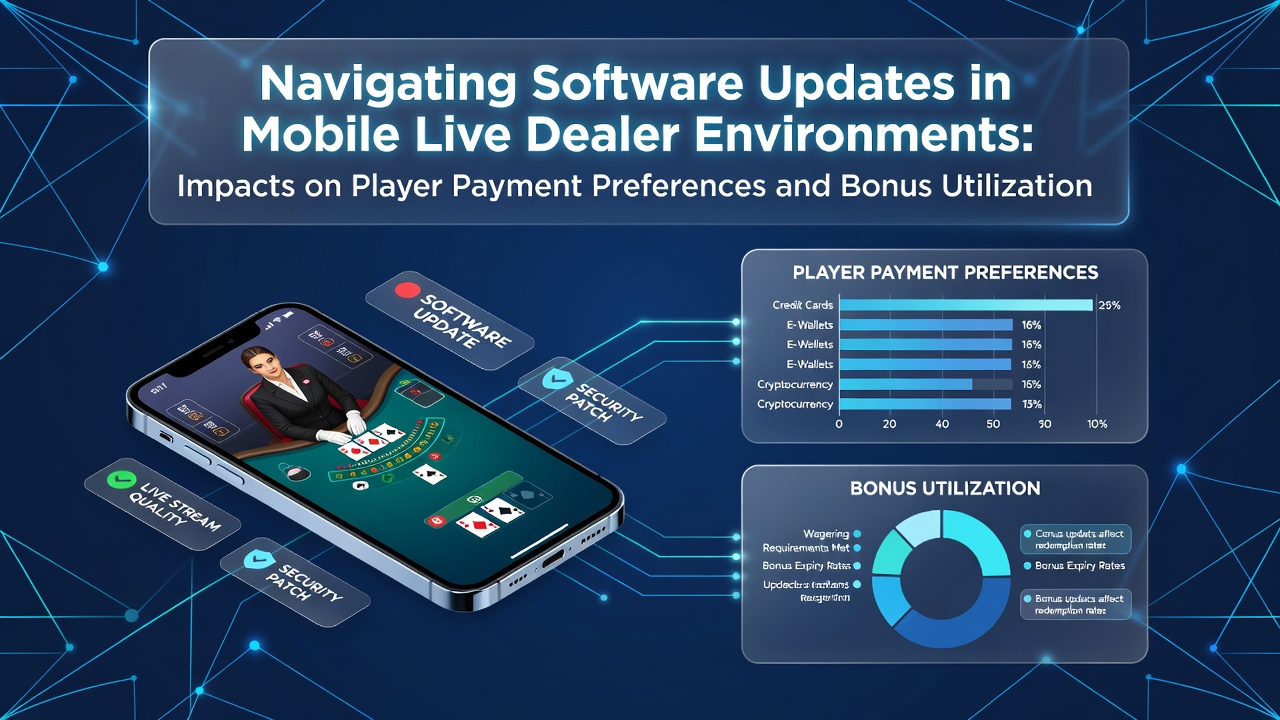
Software updates in mobile live dealer environments introduce new code layers that directly alter how payment gateways integrate with real-time game streams, and data from multiple operators shows these changes often shift player preferences toward certain methods over others. Developers push patches to fix latency issues or enhance encryption protocols, yet the process can temporarily disrupt e-wallet connections or card processing flows, which leads players to experiment with alternatives like bank transfers or cryptocurrency options during those windows. Observers note that when an update optimizes for faster transaction confirmations, usage of instant payment systems rises noticeably within the first two weeks after deployment.
Payment Gateway Adjustments During Update Cycles
Live dealer platforms rely on synchronized APIs between mobile apps and backend payment processors, so a single update can recalibrate supported currencies or introduce new verification steps that affect deposit speeds. Figures from regional operators reveal that after a mid-year patch in several European markets, players migrated toward methods with built-in multi-factor authentication because those processed more reliably through the revised interface. And while some updates prioritize security enhancements that require additional device permissions, those modifications have prompted a measurable uptick in prepaid card adoption among users who previously favored direct bank links.
What's interesting is how these technical shifts interact with regional regulations, where compliance teams must test every payment flow against updated standards before rollout. In one documented case from an Asian operator, an update aligned the system with new cross-border transaction rules, and subsequent logs showed a 12 percent increase in players selecting local digital wallets over international cards. Those who've studied deployment patterns know that seamless integration during updates tends to lock in preferences, whereas any friction encourages quick switches that often stick long-term.
Bonus Tracking and Utilization After Patches
Bonus mechanisms in mobile live dealer titles depend on precise event tracking within the game client, and software updates frequently modify how wager contributions from table games register toward playthrough requirements. Research indicates that when an update refines the bonus engine to handle multi-hand blackjack rounds more accurately, players report higher completion rates because the system captures smaller bets that previously slipped through. Data shows this precision boost can increase bonus utilization by double digits in the weeks following the change, particularly among users who rotate between different live variants.

Yet the same patches sometimes reset pending bonus balances during server migrations, which forces players to re-trigger offers through new deposit channels. Experts have observed that when operators schedule updates around promotional calendars, they coordinate bonus resets with fresh payment incentives to maintain engagement levels. A November 2026 rollout planned by several major platforms will incorporate enhanced tracking for progressive bonuses tied to live roulette spins, and preliminary tests suggest this will favor players who combine smaller, frequent deposits with specific e-wallet providers that sync cleanly with the new code.
Regulatory and Operational Factors in Update Planning
Operators coordinate with testing labs to verify that software revisions meet jurisdictional requirements before pushing them to mobile users, and this process often includes stress tests on payment modules under simulated high-traffic conditions. According to reports from the Malta Gaming Authority, updates that strengthen anti-money laundering filters within the app can temporarily narrow the range of accepted payment methods until full certification clears. Those adjustments then steer player behavior toward verified options that survive the filter, creating lasting preference patterns documented in operator analytics.
Meanwhile, industry groups such as the International Association of Gaming Regulators track how these technical changes influence bonus structures across borders. Their findings highlight that updates incorporating real-time bonus adjustment tools allow operators to fine-tune wagering requirements based on live payment data, which in turn affects how players time their deposits relative to ongoing promotions. The reality is that smooth update cycles reduce support tickets related to both payments and bonuses, whereas rushed deployments generate spikes in player queries that reveal friction points in the revised flows.
Conclusion
Software updates continue to serve as pivotal moments that reshape payment preferences and bonus utilization patterns in mobile live dealer settings through targeted changes to integration layers and tracking systems. As platforms prepare for the November 2026 enhancements, the focus remains on aligning technical revisions with regulatory demands and player behavior data to minimize disruption while maximizing compatibility across payment and promotional features. Continued monitoring of post-update metrics will clarify which adjustments produce the most stable outcomes for operators and users alike.